

Aggressive/Spreading Native Plants for Reclaiming and Restoring Spaces
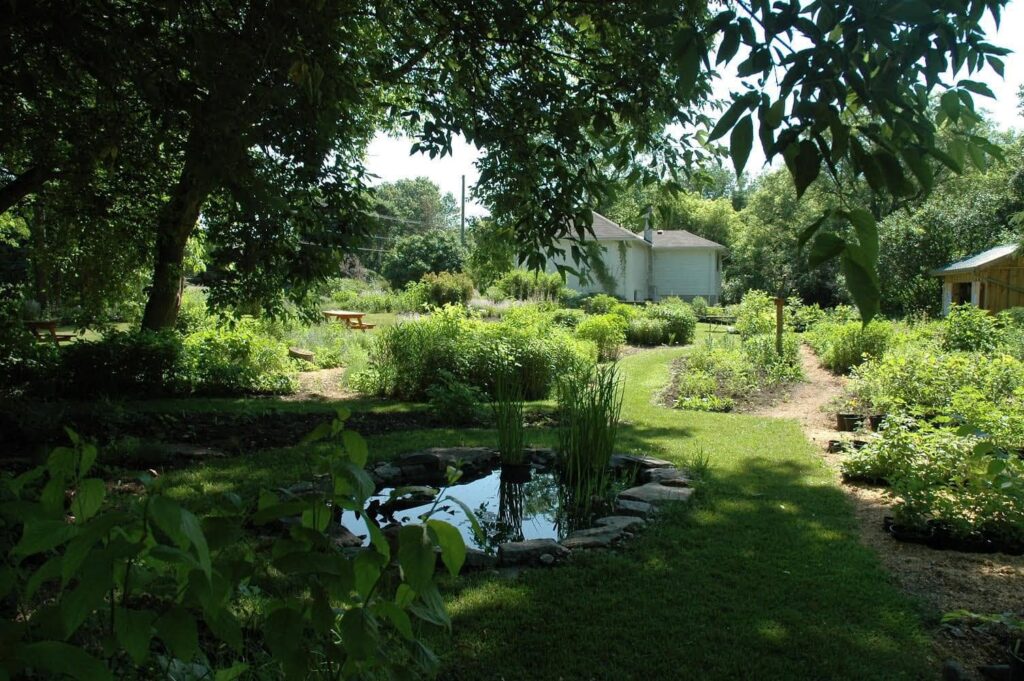
Aggressive and spreading native plants can help reclaim natural spaces where non-native invasive species have taken hold. Their ability to form colonies or dense growth makes them useful for filling gaps and reducing opportunities for unwanted plants to establish.
Wildflowers, Ferns, Grasses & Vines — Shade
Plants for shaded woodlands, woodland edges and other lower-light habitats. Match species carefully to soil moisture and competition.
| Plant | Growing conditions & spreading characteristics |
|---|---|
| Canada AnemoneAnemone canadensis | Known for its aggressive spreading habits through rhizomes, it is excellent for quickly establishing itself in shaded areas. |
| Great Blue LobeliaLobelia siphilitica | Thrives in moist, shaded areas, spreading by both seed and rhizomes, and attracts pollinators with its striking blue flowers. |
| MayapplePodophyllum peltatum | A spreading perennial that thrives in shaded woodlands, with umbrella-like leaves and white flowers that bloom in early spring, followed by yellow fruit. |
| Ostrich FernMatteuccia struthiopteris | Aggressively spreads via rhizomes, forming large colonies in shaded areas with moist soils along forest edges and wetlands. |
| Pennsylvania SedgeCarex pensylvanica | A grass-like plant that forms dense tufts and spreads through rhizomes, thriving in shaded woodland areas. |
| Sensitive FernOnoclea sensibilis | Spreads aggressively by creeping rhizomes in damp, shaded areas. |
| Solomon’s SealPolygonatum spp. | Spreads by rhizomes and can cover large areas in shady woodlands, offering both aesthetic appeal and effective competition with other species. |
| Virginia CreeperParthenocissus quinquefolia | A fast-growing vine that spreads by tendrils and can cover large areas. |
| WaterleafHydrophyllum spp. | Virginia (virginianum) and Canada Waterleaf (Hydrophyllum canadense) are spreading perennials that thrive in moist, shaded woodlands, with attractive patterned leaves and clusters of pale blue to white flowers. |
| White Wood AsterAster divaricatus | A fast-growing, spreading perennial that thrives in shaded woodlands, forming dense colonies and offering late-season nectar for pollinators. |
| Wild ColumbineAquilegia canadensis | This perennial spreads by seed and can quickly establish itself in shady, woodland environments. |
| Wild GeraniumGeranium maculatum | Spreads moderately through both rhizomes and seed dispersal. It forms clumps over time in shaded to partially shaded woodland settings. Growing 30–60 cm (12–24 inches) tall, it features showy pink to lavender flowers in spring. |
| Wild LeekAllium tricoccum | A spreading wildflower that forms dense colonies in woodland areas, providing excellent competition for invasive species in moist, shaded environments. |
| Wild SarsaparillaAralia nudicaulis | Spreads through rhizomes, forming dense colonies in shaded woodlands and forest edges, and is often found in rich, moist soils. |
| Woodland StrawberryFragaria vesca | A low-growing native groundcover that spreads vigorously through runners (stolons). Reaching about 10–20 cm (4–8 inches) in height, it thrives in partial shade to full sun and well-drained soils. It produces small white flowers in spring, followed by sweet, edible red berries. |
| Woodland SunflowerHelianthus divaricatus | A spreading perennial that thrives in partial to full sun, forming dense patches and attracting pollinators. |
| Zig-Zag GoldenrodSolidago flexicaulis | Spreads through rhizomes, forming dense colonies in shaded woodland environments and is known for its distinctive zig-zag growth pattern, attracting pollinators. |
Wildflowers & Grasses — Sun
Spreading and self-seeding plants for sunny meadows, open areas and other suitable restoration sites.
| Plant | Growing conditions & spreading characteristics |
|---|---|
| Bee BalmMonarda didyma | Spreads by rhizomes, creating dense patches of bright flowers in sunny areas and providing nectar for pollinators. |
| Black-eyed SusanRudbeckia hirta | A vigorous and prolific self-seeding biennial wildflower that thrives in full sun and forms dense colonies, attracting pollinators and outcompeting other species. |
| Branched ConeflowerRudbeckia triloba | Spreads rapidly through self-seeding, forming large colonies in full sun and providing important forage for pollinators. |
| Common MilkweedAsclepias Syriaca | Spreads aggressively by rhizomes and seed, forming dense stands in sunny fields, prairies, and meadows, supporting pollinators like monarch butterflies. |
| Evening PrimroseOenothera spp. | A spreading perennial that thrives in full sun, producing large, yellow flowers that bloom in the evening and attract pollinators like moths and bees. |
| False SunflowerHeliopsis helianthoides | A hardy and tolerant wildflower that spreads well by seed and thrives in full sun, forming dense colonies with bright yellow flowers, attracting pollinators and beneficial insects. |
| Grey-headed ConeflowerRatibida pinnata | A tall, spreading perennial and prolific self-seeder that thrives in full sun, producing unique yellow petals with a distinctive grey-brown central cone, attracting pollinators and providing late-season color. |
| GoldenrodsSolidago spp. | Particularly Solidago canadensis spread aggressively through rhizomes and form large colonies in sunny prairies, fields, and roadsides. |
| Hairy SunflowerHelianthus hirsutus | and Downy Sunflower (Helianthus mollis) are native sunflowers that thrive in full sun and form dense colonies. |
| Little BluestemSchizachyrium scoparium | A perennial grass that spreads via rhizomes, forming dense colonies in full sun and creating a strong visual presence in prairies and meadows. |
| New England AsterSymphyotrichum novae-angliae | A robust perennial that forms dense colonies in full sun and blooms in late summer to fall, providing late-season nectar for pollinators. |
| Purple ConeflowerEchinacea purpurea | A hardy, spreading perennial that forms clumps in sunny areas, attracting pollinators and providing an excellent habitat for beneficial insects. |
| Tall SunflowerHelianthus giganteus | A towering perennial that thrives in full sun, forming large, dense colonies with bright yellow flowers, attracting pollinators and wildlife. |
| Wild BergamotMonarda fistulosa | Spreads through rhizomes and self-seeding, thriving in sunny meadows and prairies, and attracting bees and butterflies. |
Spreading Native Shrubs
Shrubs that can form thickets, colonies or dense cover, depending on species and site conditions.
| Plant | Growing conditions & spreading characteristics |
|---|---|
| Allegheny BlackberryRubus allegheniensis | Can grow in partial to full shade, often found in forested areas, woodland edges, and clearings. While it thrives in sunny spots, it is also well-adapted to shaded environments, forming dense thickets and producing blackberries in late summer. It is particularly common in the understory of woodlands. |
| Black ChokeberryAronia melanocarpa | A spreading shrub that thrives in moist, well-drained soils, producing white flowers in spring and dark purple to black berries that persist into winter, attracting birds and wildlife. It is known for its dense growth and ornamental value, as well as its high antioxidant content. |
| Black ElderberrySambucus canadensis | A spreading shrub found in wetland areas, producing clusters of white flowers in spring followed by dark purple-black berries that attract birds. |
| Bush HoneysuckleDiervilla lonicera | A fast-growing, spreading shrub that thrives in dry, shady areas, with yellow tubular flowers in summer that attract pollinators. |
| ChokecherryPrunus virginiana | A fast-spreading shrub or small tree that thrives in a variety of habitats, including moist woodlands and open areas, producing clusters of white flowers in spring and dark red to black berries that attract birds. |
| Fragrant SumacRhus aromatica | A spreading shrub that forms dense colonies in sunny or partially shaded areas, with fragrant yellow-green flowers and bright red fall foliage. |
| HazelnutCorylus spp. | American Hazelnut (Corylus americana) and Beaked Hazelnut (Corylus cornuta) are spreading shrubs that form dense clusters in sunny to partially shaded areas, producing edible hazelnuts and attracting wildlife. |
| Fly HoneysuckleLonicera canadensis | A low-growing, spreading shrub that forms dense colonies in woodland and forest edges, producing fragrant, yellow to orange flowers that attract pollinators. |
| MeadowsweetSpiraea alba | A spreading shrub that thrives in moist, sunny areas, producing clusters of white flowers in late spring to summer and providing habitat for pollinators. It is commonly found in wetlands and along stream banks. |
| Speckled AlderAlnus incana | A spreading shrub or small tree that thrives in wet, poorly-drained soils, often found along streams and wetlands. It forms dense colonies with its distinctive speckled bark and provides valuable habitat and food for wildlife. Its ability to fix nitrogen also helps improve soil fertility. |
| Purple Flowering RaspberryRubus odoratus | A vigorous, spreading shrub that thrives in woodland edges, with large, purple-pink flowers in spring and edible fruit in late summer. |
| Red-Osier DogwoodCornus sericea | A vigorous shrub that forms dense thickets in moist soils, with bright red stems and clusters of white flowers, followed by blue-white berries. |
| Smooth Wild RoseRosa blanda | A spreading shrub that thrives in sunny or partially shaded areas, producing fragrant pink flowers and red hips that attract wildlife. |
| Wild RaspberryRubus idaeus | A spreading shrub that forms dense thickets in sunny or partially shaded areas, producing edible red raspberries and attracting wildlife. |
Further information
For guidance on managing non-native invasive plants, visit the Ontario Invading Species Program for best management practices covering species such as Garlic Mustard, Wild Parsnip, European Buckthorn, Dog-strangling Vine and Invasive Phragmites.
Choose species appropriate to local conditions and planting objectives. Aggressive native plants may also spread beyond the intended planting area.